
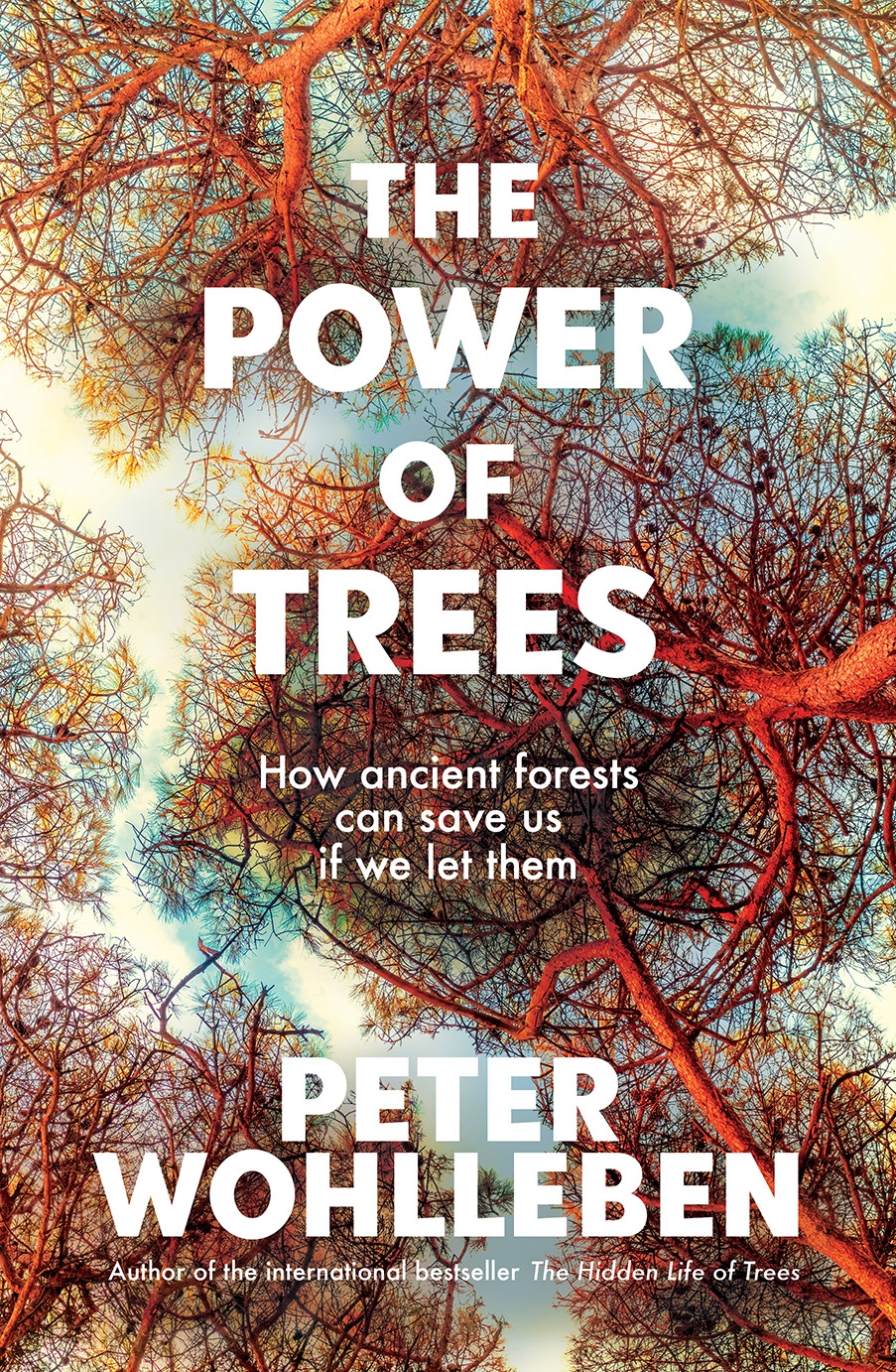
I’m currently listening to Peter Wohlleben’s The Power of Trees. I listened to an earlier book of his a few years ago, and that gave me plenty to think about too, but somehow this one is hitting home particularly strongly right now. Walking through the woods, I noticed myself looking at a familiar Finnish forest through completely different eyes. I don’t mean a plantation of a single tree species planted in neat rows, but an ordinary forest I’ve walked through countless times. The same trees, the same paths, but suddenly so much more to notice and wonder about. What is happening here that I’ve never even thought to consider?
I’ve been in the middle of a pretty intense period of building things with AI. Ideas, experiments, problem-solving, learning, and several things moving forward in parallel, both during the day for a client and in the evenings for vieressa.fi. It is enormously exciting, but I also notice how easily it starts filling all the available space in my head. When you can try almost anything and get the next thing started immediately, even your curiosity begins circling ever more tightly around the same work. In the middle of all this, the book’s ability to spark a new interest in familiar forests felt almost physically like fresh oxygen flowing into my brain… something enormously interesting in the world that had nothing to do with the next implementation, fix, or experiment.
I’m particularly fascinated by the idea that a forest’s diversity, in both tree species and ages, helps it create the conditions for its own survival, withstand change, and stabilise its surroundings well beyond its own boundaries. The book contrasts natural forests with single-species plantations, describing how the latter can dry out and die when the relationships between different species that help retain moisture are lost, and how they can become vulnerable to pest outbreaks that devastate entire forests. I sense an interesting analogy to organisations here. What chance of survival does a company have if it has been built like a plantation forest, with individuals of the same species and age, all having grown under similar conditions?
In a stable and predictable environment, an organisation like that can certainly look exceptionally efficient. People speak the same language, know the same methods, and reach agreement quickly. But what happens when conditions change in ways their shared experience has not prepared them for? If everyone has the same strengths, their weaknesses and blind spots may also line up. People of different ages, from different backgrounds, and with different ways of thinking can sometimes make working together slower and more difficult. At the same time, one of them might notice a change that others miss, or recognise a solution somewhere the others wouldn’t think to look. The value of diversity may become visible precisely when the familiar, collectively learned way of working stops working.
In the midst of the AI hype, this feels particularly relevant. I’m enormously excited about what we can accomplish with AI, and it has fundamentally changed how I work. That is exactly why I think organisations should also take care of the people who understand the work without AI.
On a personal note, I really need to remember to keep my horizons broad. The accelerating pace and constant parallel processing tempt me into tunnel vision, even when I’m working on several different things. Five parallel projects can still mean five versions of the same thinking. In the forest, for the first time in a while, my attention settled on things I wasn’t trying to solve or finish. I could simply look, listen, and wonder. Perhaps I had needed that more than I realised.
I wholeheartedly recommend reading or listening to this book!